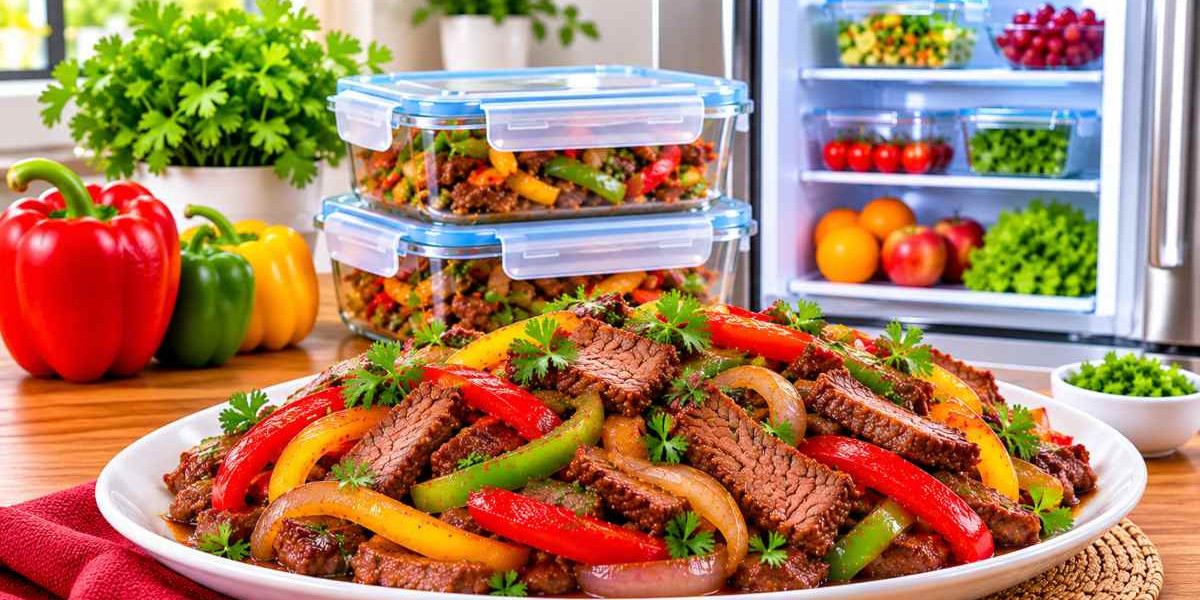

We have all been there. It is Thursday, there is a container of Sunday's pot roast at the back of the fridge, and you are standing in the cold light wondering whether it is dinner or a trip to the bin. Leftovers save time and money, but they also come with a clock. If you have ever asked yourself how long does cooked beef last in the fridge, you are asking exactly the right question, because the answer protects you and your family from foodborne illness.
In this guide, we break down safe storage times for every common type of cooked beef, explain the science behind the numbers, show you how to spot spoilage, and share practical habits that make leftovers safer and tastier. Whether you cook a weekly batch of ground beef, roast a Sunday brisket, or grill steaks on a summer night, you will leave with clear, confident answers.
How Long Does Cooked Beef Last in the Fridge? The Quick Answer
Cooked beef stays safe in the refrigerator for 3 to 4 days when it is stored at 40°F (4°C) or below in an airtight container. After day four, the risk of harmful bacteria rises, even if the beef still looks and smells fine.
Here is the short version:
Steak, roast, brisket, and ribs: 3 to 4 days
Cooked ground beef, burgers, and meatballs: 3 to 4 days
Beef stew, chili, and dishes with gravy: 3 to 4 days
Cooked beef in the freezer: 2 to 6 months for best quality
Cooked beef left out at room temperature: no more than 2 hours (1 hour if it is hotter than 90°F or 32°C)
These timelines match guidance from the United States Department of Agriculture (USDA). Some Canadian food safety resources take a slightly more cautious approach for certain leftovers and suggest eating them within about two days, so if you are cooking for babies, older adults, pregnant guests, or anyone with a weakened immune system, leaning toward the shorter window is a smart move.
Why the 3 to 4 Day Rule Exists
The number is not arbitrary. It is based on how quickly bacteria grow in cooked protein, even in a cold fridge. Understanding the reasoning makes it much easier to follow the rule without second-guessing yourself.
Bacteria That Thrive in Cooked Beef
Cooking kills most harmful microbes, but it does not make food sterile. Bacteria can land on beef after cooking from cutting boards, serving spoons, hands, or the air. Common culprits include:
Salmonella and E. coli, which can cause stomach cramps, diarrhea, and fever
Clostridium perfringens, often called the "cafeteria germ," which loves large pots of stew or roast left to cool slowly
Staphylococcus aureus, which produces toxins that reheating cannot destroy
Listeria monocytogenes, a particular concern because it can slowly multiply even at refrigerator temperatures
The fridge does not stop these bacteria. It slows them down. That is why time limits matter even when your fridge is working perfectly.
The Temperature Danger Zone
The USDA calls the range between 40°F and 140°F (4°C to 60°C) the danger zone. In this range, bacteria can double in as little as 20 minutes. This is why cooked beef should go into the fridge within two hours of leaving the heat, and within one hour if the room is warm, such as at a summer barbecue.
Why Your Nose Is Not Enough
Many people trust the sniff test, but it is unreliable. The bacteria that make people sick, such as Salmonella and Listeria, usually do not change the smell, taste, or look of the food. Spoilage bacteria cause the sour odor and slimy film, but pathogens can be present long before either appears. Think of smell as a last-resort warning rather than a green light.
Cooked Beef Fridge Storage Chart
Use this quick reference to plan your meals and reduce waste.
Type of cooked beef | Fridge (40°F / 4°C or below) | Freezer (0°F / -18°C) |
Steak, sirloin, ribeye | 3 to 4 days | 2 to 3 months |
Roast, brisket, pot roast | 3 to 4 days | 2 to 3 months |
Cooked ground beef | 3 to 4 days | 2 to 3 months |
Burgers and meatballs | 3 to 4 days | 2 to 3 months |
Beef stew, chili, curry | 3 to 4 days | 2 to 3 months |
Beef with gravy or sauce | 3 to 4 days | 2 to 3 months |
Cooked beef liver | 3 to 4 days | 2 to 3 months |
Deli-style sliced roast beef (homemade) | 3 to 5 days | 1 to 2 months |
Raw beef, for comparison | 3 to 5 days (steaks and roasts), 1 to 2 days (ground) | 6 to 12 months |
Freezer times are about quality, not safety. Beef frozen at 0°F stays safe indefinitely, but flavor and texture decline over time.
Storage Times for Specific Types of Cooked Beef
The general rule applies across the board, but each dish has its own quirks. Here is what to keep in mind for the beef you cook most often.
Steak, Roasts, and Brisket
Whole cuts like steak and roasts hold up well because less of their surface was exposed to handling before cooking. Slice only what you plan to eat right away, since cut surfaces dry out faster and expose more of the meat to the air. Wrap leftovers tightly in foil or store them in an airtight container, and eat them within 3 to 4 days.
If you cook steak regularly, it also helps to understand what is in it. Our guide to the nutrition facts of beef steak covers protein, fat, iron, and calories per serving, so you can plan leftover portions with your goals in mind.
Cooked Ground Beef, Burgers, and Meatballs
Ground beef deserves extra care. When beef is ground, bacteria from the surface get mixed throughout, which is why the USDA recommends cooking ground beef to 160°F (71°C) rather than the 145°F (63°C) used for steaks and roasts. For storage, though, the answer to how long does cooked beef last in the fridge is the same for ground beef as for steak: 3 to 4 days.
Ground beef is also one of the best candidates for batch cooking. Browned crumbles freeze beautifully and can be turned into tacos, pasta sauce, or shepherd's pie on a busy night. If you want a family-friendly way to use up leftover mince, try our easy Kenyan ground beef bake for a flavorful dinner that reheats well.
Beef Stew, Chili, and Saucy Dishes
Dishes simmered in liquid, such as stew, curry, and chili, follow the same 3 to 4 day window. The thick, warm environment inside a big pot is a perfect place for Clostridium perfringens to multiply if the food cools slowly, so divide large batches into shallow containers before refrigerating. Our Kenyan ground beef stew is a good example of a dish that tastes even better the next day, as long as you chill it promptly and finish it within four days.
Cooked Beef Liver
Liver is rich in iron, vitamin A, and B12, but it is also more perishable in terms of flavor and texture. Store cooked liver in an airtight container and eat it within 3 to 4 days, or freeze portions for later. If you are curious about how much to eat, see our article on how often you should eat beef liver, and for the bigger picture on its benefits and cautions, read whether beef liver is healthy.
Homemade Deli-Style Roast Beef
Sliced roast beef that you cook yourself is treated like any other cooked beef: 3 to 4 days, with a possible extra day if it is stored in a very cold fridge in a sealed container. Store-bought deli meat is different. Once opened, packaged deli meat is usually good for 3 to 5 days, and the label should be your guide.
How to Store Cooked Beef the Right Way
Storage habits matter as much as the calendar. Follow these steps to get the full 3 to 4 days of safe shelf life.
Step 1: Cool It Quickly, But Safely
Do not leave cooked beef on the counter to cool completely. Get it into the fridge within two hours. Hot food in small portions is safe to refrigerate right away, and a shallow container helps it chill faster. For big pots of stew or chili, split the batch into several smaller containers so the center cools evenly.
Step 2: Use Shallow, Airtight Containers
Shallow containers, about two inches deep, let cold air reach the food quickly. Airtight lids or tight wrapping prevent bacteria from drifting in, stop the beef from drying out, and keep it from absorbing fridge odors. Glass containers with snap lids and heavy-duty freezer bags both work well.
Step 3: Label and Date Everything
A strip of masking tape and a marker can save you from guessing. Write the date you cooked the beef, and you will never have to wonder whether it has been three days or six. This is a habit professional kitchens rely on, and it works just as well at home.
Step 4: Keep Your Fridge Cold Enough
A fridge thermometer costs a few dollars and can reveal a hidden problem. The refrigerator should stay at or below 40°F (4°C). Store leftovers on a middle or lower shelf rather than in the door, where temperatures fluctuate each time you open it. Avoid overpacking the fridge, since cold air needs room to circulate.
Step 5: Keep Cooked and Raw Beef Apart
Store cooked beef above raw meat, never below it, so raw juices cannot drip onto food that will not be cooked again. Use separate cutting boards and utensils for raw and cooked foods.
How to Tell If Cooked Beef Has Gone Bad
When in doubt, throw it out. But these signs can help you recognize beef that is clearly past its prime:
Sour or ammonia-like smell: Fresh cooked beef smells savory. A tangy or sulfur-like odor means bacterial growth.
Slimy or sticky surface: A tacky film on the meat is a classic sign of spoilage bacteria.
Color changes: Gray, green, or brown patches that were not there before are a warning sign. Note that cooked beef normally turns brownish-gray, so look for new or uneven discoloration.
Visible mold: Fuzzy white, green, or black spots mean the entire portion should be discarded, not just the moldy part.
Off taste: If you have taken a bite and it tastes sour or bitter, spit it out and discard the rest.
Remember that dangerous bacteria can be present without any of these signs. If beef has been in the fridge longer than four days, or if it sat out for more than two hours, discard it regardless of how it looks.
Can You Freeze Cooked Beef? Yes, and Here Is How
Freezing is the best way to extend the life of leftovers. If you know you will not finish cooked beef within four days, freeze it on day one or two rather than waiting until the last minute.
Freezing Tips for the Best Quality
Portion first: Freeze meal-sized portions so you only thaw what you need.
Remove air: Press air out of freezer bags, or wrap beef tightly in plastic wrap and then foil to prevent freezer burn.
Add a little liquid: For sliced roast beef, a spoonful of broth or gravy in the bag keeps it moist.
Label and date: Aim to use frozen cooked beef within 2 to 3 months for the best flavor, though it stays safe for up to 6 months or longer if kept at 0°F.
How to Thaw Cooked Beef Safely
There are three safe thawing methods:
In the refrigerator: The safest method. Move the beef to the fridge the night before. It will keep an extra day or two after thawing.
In cold water: Seal the beef in a leak-proof bag and submerge it in cold water, changing the water every 30 minutes. Cook or reheat immediately afterward.
In the microwave: Use the defrost setting and reheat the beef right away.
Never thaw beef on the counter. The outer layer can enter the danger zone while the center is still frozen.
How to Reheat Cooked Beef Safely
Reheating is the final safety step. Heat all leftover beef to an internal temperature of 165°F (74°C), and use a food thermometer to be sure. Here is how to keep reheated beef juicy:
Steak and roast: Warm slices gently in a covered skillet with a splash of broth, or heat in a 275°F oven wrapped in foil.
Ground beef and meatballs: Reheat in a pan with a little sauce, or microwave covered, stirring halfway through.
Stews and soups: Bring to a full rolling boil on the stove, stirring often.
Gravy and sauces: Bring to a boil before serving.
Only reheat the portion you plan to eat. Repeated cooling and reheating gives bacteria more opportunities to grow and dries out the meat. Reheat once, and discard anything left over from that serving.
Special Situations to Watch For
Beef Left Out Overnight
If cooked beef sat on the counter overnight, throw it out. Reheating will not make it safe, because some bacteria produce heat-resistant toxins. This rule applies even if the dish was covered or still looks fine.
Takeout and Restaurant Leftovers
Restaurant leftovers follow the same rules, but the clock starts when the food was cooked, not when you brought it home. Get takeout into the fridge within two hours of pickup, and eat it within 3 to 4 days. If the meal was sitting in a hot car or a delivery bag for a long time, shorten your window or skip it.
Meal Prep for the Week
Meal preppers often cook on Sunday and eat through Friday, which pushes past the safe window. A smarter plan is to refrigerate meals for Monday through Wednesday and freeze the rest, moving Thursday and Friday meals to the fridge the night before. This way, you never have to wonder how long does cooked beef last in the fridge when you are packing a lunchbox.
Vulnerable Groups
Young children, pregnant women, adults over 65, and people with weakened immune systems are at higher risk of serious complications from foodborne illness. For these groups, many experts suggest keeping leftovers closer to two or three days, and being extra strict about reheating to 165°F.
Smart Ways to Reduce Beef Waste
Safe storage is half the story. The other half is eating your leftovers while they are good. A few ideas:
Plan a leftover night: Set aside one dinner each week for using up what is in the fridge.
Repurpose, do not repeat: Turn roast beef into sandwiches, fried rice, tacos, or a hearty salad so it feels like a fresh meal.
Cook smaller batches: If you rarely finish leftovers, cook less, or freeze half right away.
Use the first-in, first-out rule: Put older containers at the front of the shelf so they get eaten first.
Freeze in portions: Individual servings are easier to thaw and less likely to be forgotten.
Key Takeaways
If you remember nothing else, remember these points:
Cooked beef is safe for 3 to 4 days in a fridge set to 40°F (4°C) or below.
Refrigerate within 2 hours of cooking, or 1 hour in hot weather.
Store in shallow, airtight, labeled containers.
Freeze beef you will not eat within four days, and thaw it in the fridge.
Reheat to 165°F (74°C), and only reheat once.
When in doubt, throw it out. The cost of a few ounces of beef is far smaller than a bout of food poisoning.
Final Thoughts
Leftover beef is one of the great pleasures of home cooking: tomorrow's lunch practically makes itself. With a little planning, you can enjoy it safely. Now that you know how long does cooked beef last in the fridge, you can cool it fast, store it smart, freeze what you will not eat in time, and reheat it to a safe temperature every time.
Print the storage chart above, stick it on your fridge door, and label your next batch of leftovers with today's date. Small habits like these protect your family, cut food waste, and make every meal you cook go further.
Frequently Asked Questions
How long does cooked beef last in the fridge?
Cooked beef lasts 3 to 4 days in the refrigerator when stored at 40°F (4°C) or below in an airtight container. This applies to steak, roast, ground beef, burgers, meatballs, and beef stew. After four days, it should be eaten, frozen, or thrown out.
Can I eat cooked beef after 5 days?
It is not recommended. After four days, bacteria such as Listeria can reach levels that cause illness, even when the beef looks and smells normal. If you are unsure, discard it.
Is it safe to eat cooked steak that has been in the fridge for a week?
No. A week is well beyond the recommended 3 to 4 day window. Freezing the steak on day two or three would have preserved it safely.
How long can cooked ground beef sit out?
Cooked ground beef should not sit out for more than two hours at room temperature, or one hour if the temperature is above 90°F (32°C). After that, bacteria multiply quickly and the beef should be discarded.
Can you refreeze cooked beef that was thawed in the fridge?
Yes. Beef thawed in the refrigerator can be refrozen within a day or two without cooking it again, although the texture may suffer a little. Beef thawed in the microwave or cold water should be cooked and eaten right away.
Does beef stew last longer than plain cooked beef?
Not really. Beef stew follows the same 3 to 4 day rule. However, stews are often made in large batches, so it is important to cool them quickly in shallow containers.