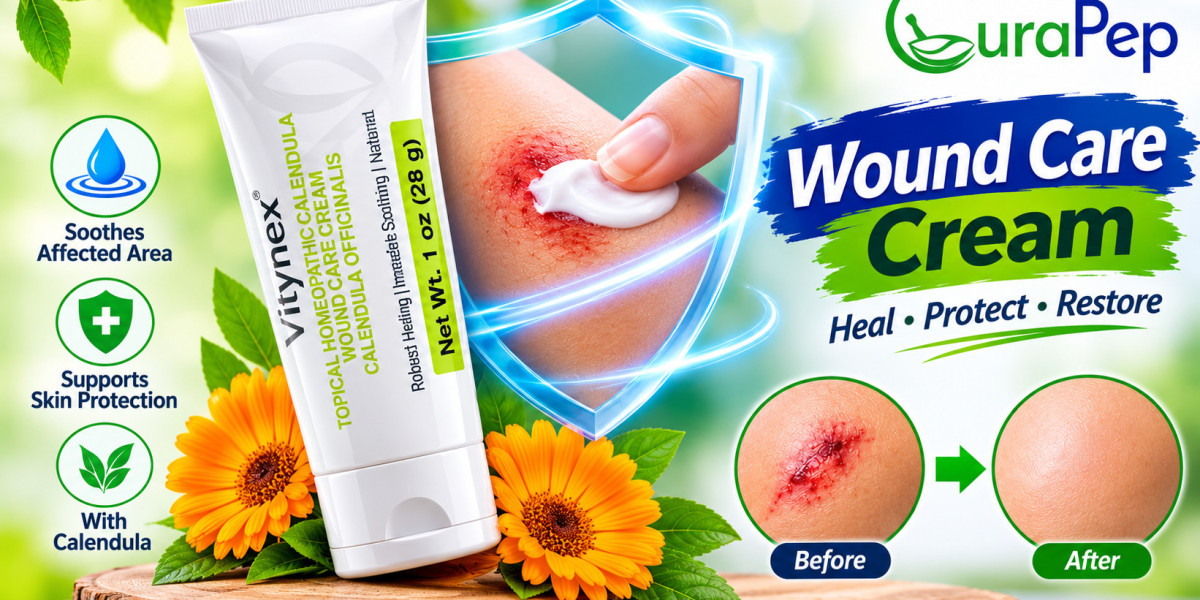

For minor cuts, scrapes and skin tears, clean the wound gently, apply a thin layer of a suitable wound care cream, protect it with a nonstick dressing and monitor for signs of infection. Skin tears in older adults, deep cuts and wounds that will not stop bleeding should be assessed by a professional.
Everyday Injuries and the Role of Wound Care Cream
Minor injuries are part of normal life. Children fall off bikes, gardeners catch their hands on thorns, cooks nick fingers, and older adults bump their arms on furniture. Most of these injuries are small, but how you respond in the first few minutes and days affects comfort, appearance and the risk of complications. A thoughtfully chosen wound care cream can be one helpful step within a larger routine of cleaning, protecting and monitoring. This guide focuses on three common injury types, cuts, scrapes (also called grazes or abrasions) and skin tears. You will learn how they differ, what to do immediately, how to use a cream properly, and when it is time to stop home care and speak to a professional.
Cuts, Scrapes and Skin Tears What Is the Difference?
A cut, or laceration, is a break in the skin caused by a sharp object. Depending on depth, it can bleed a lot or a little. A scrape is a superficial injury where the top layers of skin are rubbed away, leaving a raw, sometimes weeping surface. Skin tears are different again; they occur when friction or shearing force separates the layers of skin, often leaving a flap. They are especially common in older adults, people on long term steroid medication and those with fragile skin. These differences matter because each needs a slightly different approach. A scrape usually benefits from thorough cleansing and light protection. A cut may need pressure to control bleeding and sometimes closure with adhesive strips or stitches. A skin tear needs very gentle handling, and the flap should not be pulled or trimmed at home.
First Steps What to Do Immediately
Whatever the injury, the first steps are similar. Stay calm, wash your hands and, if the wound is bleeding, apply gentle direct pressure with a clean cloth or gauze for several minutes. Elevate the injured limb if possible. Once bleeding settles, rinse the wound under clean running water for a few minutes to remove dirt and bacteria. Avoid scrubbing, and avoid harsh substances such as undiluted hydrogen peroxide or iodine on delicate tissue unless a professional has advised it. Pat the surrounding skin dry. Only after cleansing should you consider applying a cream or dressing.
Choosing a Healing Cream for Cuts and Scrapes
A healing cream for cuts and scrapes should be gentle, suitable for broken skin and easy to apply in a thin layer. Look for clear usage directions, minimal fragrance and a texture that stays in place without being sticky. If you are caring for a child, check the age guidance on the label. Some people prefer a skin healing cream with plant based ingredients because it feels softer and less medicated than a traditional antiseptic. Others prefer antiseptic formulations for the first day or two. Both approaches are common, and the best choice is the one that suits your skin and your comfort level.
How to Apply Cream to a Minor Cut or Scrape
Apply a thin, even layer using a clean fingertip, cotton bud or gauze. Do not scoop cream from the tube with a used finger, and avoid touching the nozzle against the wound. After application, cover with a nonstick dressing or adhesive bandage if the area is likely to rub against clothing, get dirty or be picked at. Change the dressing daily or sooner if it becomes wet or dirty. When you change it, check the wound. A healthy healing wound slowly becomes smaller, with pink new tissue appearing at the edges. Mild tenderness and slight redness at the margins are normal early on, but they should improve rather than worsen.
Skin Tears Extra Gentle Care
Skin tears need a delicate approach. If there is a flap of skin attached, gently ease it back toward its original position using a clean, moistened cotton bud or gloved finger, but only if it moves easily. Never force it. Cover with a nonadherent dressing and mark the direction of the flap on the dressing with an arrow so that it is removed in the direction that does not lift the skin. A cream for skin tears should be gentle, unscented and nonstinging. Avoid adhesive strips directly on fragile skin, since removing them can cause further tearing. Because skin tears are often linked to age, medication or underlying health conditions, they should be reviewed by a nurse or doctor, particularly if they are large, on the lower leg or not improving.
Comparison Table Cut vs Scrape vs Skin Tear
Injury type | Typical cause | Main concern | Home care approach |
Cut (laceration) | Sharp objects | Bleeding and depth | Apply pressure, clean, close with strips if shallow; seek care if deep |
Scrape (abrasion) | Friction or falls | Dirt and raw surface | Rinse well, thin layer of cream, protect |
Skin tear | Shearing force on fragile skin | Flap damage and slow healing | Gentle repositioning, nonstick dressing, professional review |
Fast Healing Expectations, What Is Realistic?
Many people search for a fast healing cream for open wounds because they want quick results, especially for visible injuries. It is natural to want that, but it helps to be realistic. Healing speed depends on the depth of the wound, your age, your circulation, nutrition, stress levels, smoking status and medical conditions such as diabetes. No cream can bypass the body’s biology. What a cream can do is support a clean, protected and comfortable environment so that the body’s natural repair process can proceed. Be sceptical of any product promising instant or miraculous results. The most reliable approach is consistent care, good hygiene and patience.
Protecting Healing Skin From the Sun
Newly healed skin is more sensitive to ultraviolet light. Sun exposure can cause the scar area to darken, especially in people with deeper skin tones. Once the wound has fully closed, protect it with clothing or a broadspectrum sunscreen for several months. This is a simple step that many people overlook, yet it can make a noticeable difference to the final appearance.
Calendula Based Options for Minor Injuries
Calendula has a long history in traditional skin care, and calendula based creams are widely sold for everyday skin comfort. The calendula wound cream category includes homeopathic products that are positioned for minor wounds and irritated skin. These products are typically chosen by people who prefer plant derived formulas. It is important to remember that homeopathic products are based on traditional principles and use highly diluted preparations. They should not replace urgent medical care for serious wounds, and anyone who has an allergy to plants in the daisy family should check ingredients carefully before use.
Special Situations Children, Older Adults and People With Health Conditions
Children have thin, delicate skin and a tendency to pick at scabs, so protective dressings are especially useful. Always follow age recommendations, and ask a pharmacist before using a product on babies or toddlers. Older adults often heal more slowly and are more prone to skin tears and bruising. Medicines such as blood thinners or long term steroids can make bleeding and fragility worse. If you are caring for an older relative, gentle handling and prompt review of any slowhealing wound are essential.People with diabetes, vascular disease or immune conditions need extra vigilance. Even a small cut on the foot can become serious if it is not noticed or treated quickly. In these cases, ask a healthcare professional how to care for minor wounds and which products are appropriate.
Signs You Should Not Treat at Home
Seek medical advice promptly if a wound is deep enough to expose fat or muscle, will not stop bleeding after ten minutes of firm pressure, was caused by a bite or a rusty or dirty object, contains debris you cannot remove, or shows signs of infection. Facial wounds, wounds near joints and wounds in young children may also benefit from professional assessment. A tetanus booster may be needed if your vaccination is not up to date, particularly with dirty wounds.
Facts Worth Knowing
Most minor cuts and scrapes heal without medical treatment when kept clean and protected.
Running water is generally preferred for rinsing minor wounds; strong antiseptics are not always necessary.
Picking scabs can delay healing and increase the chance of scarring.
Skin tears are most common on forearms, hands and shins in older adults.
Tetanus bacteria live in soil and can enter through even small breaks in the skin.
Helping Children Care for Their Own Wounds
Teaching children simple first aid habits can reduce infection and anxiety. Encourage them to tell an adult about any injury, show them how to rinse a scrape, and let them choose a fun plaster or bandage so that they are more willing to keep it on. Explain that scabs are the body’s natural cover and should be left alone. Parents often keep a tube of vitynex wound care cream or a similar gentle product in a backpack or glove compartment for outdoor activities. Whichever product you choose, check the directions, keep it out of reach of very young children and never share an opened tube between family members with active infections.
Daily Aftercare Checklist
Keep the wound clean and covered if needed. Reapply cream as directed. Check for redness, swelling or discharge each day. Avoid soaking the wound in baths, pools or hot tubs until it has closed. Wear loose clothing over the area. Take paracetamol or another suitable pain reliever if needed, following the label. If you want to explore more gentle, home friendly products and information, browse the resources at Curapep and compare options against your needs.
Final Thoughts
Cuts, scrapes and skin tears are common, and with prompt cleaning, thoughtful protection and an appropriate cream, most heal well. Match your care to the type of injury, be especially gentle with fragile skin and do not hesitate to seek professional advice when something does not look right. A good routine is simple, consistent and patient.
Frequently Asked Questions(FAQs)
What is the best healing cream for cuts and scrapes?
The best choice is a gentle cream designed for minor broken skin that suits your skin type. Check the label, patch test if you have sensitive skin and ask a pharmacist if unsure.
Do I need to cover a scrape after applying cream?
Usually yes, if it is in an area that rubs or gets dirty. A clean nonstick dressing helps protect the area and keeps the cream in place.
Can I use wound care cream on a skin tear?
Only a very gentle, nonstinging product should be used, and skin tears should ideally be reviewed by a nurse or doctor, especially in older adults.
How long does a scrape take to heal?
Many scrapes heal within one to two weeks, though larger or deeper ones may take longer.
Should I remove the scab?
No, Picking a scab can reopen the wound and increase the risk of scarring or infection.
When should I worry about a cut?
Worry if bleeding does not stop with pressure, the cut is deep or gaping, it was caused by a dirty or rusty object or an animal, or there are signs of infection.
Is calendula cream suitable for children?
Always check the product’s age guidance. If your child has allergies to daisy family plants, avoid calendula and ask a pharmacist for advice.
Can I use cream on a wound that is already infected?
No, Infected wounds need professional assessment and possibly antibiotics. A cream is not a treatment for infection.