
In an increasingly complex professional environment, leadership requires more than the ability to manage teams or achieve business objectives. Successful decision-making often depends on understanding the institutional frameworks, economic relationships, and governance principles that influence how organizations function.
For executives, entrepreneurs, wealth professionals, and philanthropic leaders, recognizing these underlying factors can make a significant difference in how they approach long-term responsibilities.
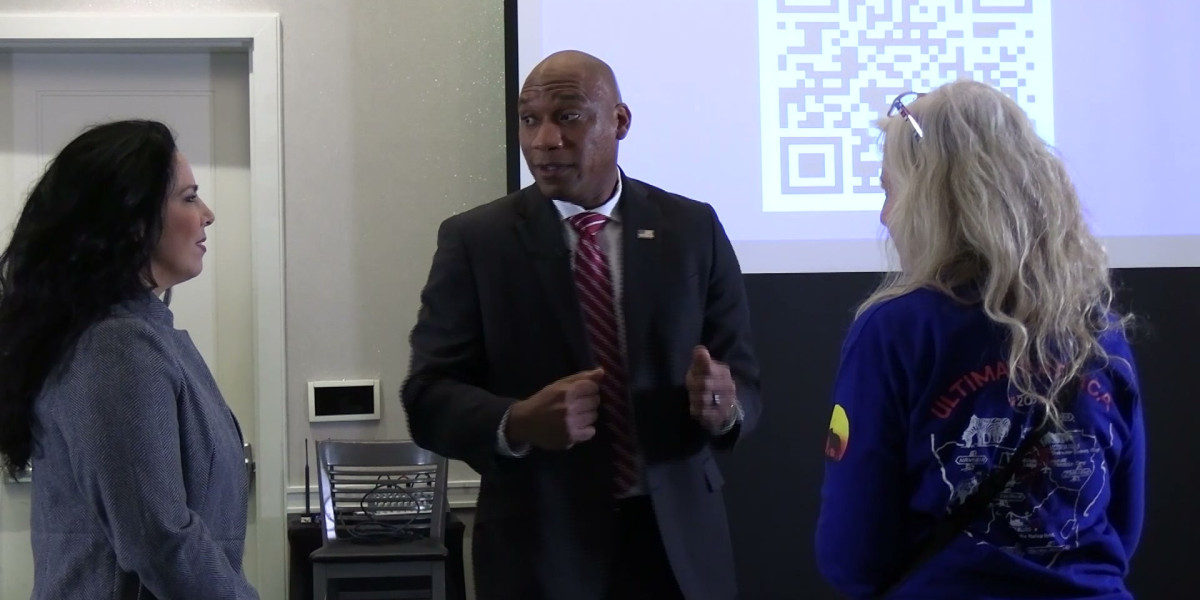
Antomius Wise is a professional whose work centers on these important dimensions of leadership. As an institutional systems strategist, strategic philanthropy educator, and executive speaker, he explores the relationship between organizational structures, economic systems, governance, and sustainable impact.
His professional background includes experience as a former NFL athlete, former U.S. Secret Service Special Agent, and MBA graduate. These experiences contribute to a multidisciplinary perspective that connects high-performance environments, institutional responsibility, and business strategy.
Through his work and the organization he founded, WPSM.org, Wise encourages individuals and institutions to develop a deeper understanding of the systems influencing their decisions.
Understanding the Structures That Influence Success
Organizations frequently evaluate success through financial growth, operational performance, market recognition, and leadership achievements. Although these indicators provide useful information, they do not always explain the factors responsible for sustainable performance.
Behind every institution are structures that determine how decisions are made, how resources are allocated, and how responsibilities are managed.
When these elements function effectively, organizations can establish greater consistency and clarity. However, when governance arrangements are fragmented or economic incentives are misaligned, even capable leadership teams may face unnecessary obstacles.
Antomius Wise brings attention to these structural considerations through his institutional thinking approach.
His perspective encourages decision-makers to examine the broader environment surrounding their responsibilities. Instead of addressing every challenge as an isolated problem, the emphasis is on understanding the institutional relationships and frameworks that may contribute to it.
This approach is particularly relevant for organizations managing complex operations, significant resources, and multiple stakeholder relationships.
Professional Experiences That Inform a Multidisciplinary Approach
A distinctive aspect of Antomius Wise's professional background is the range of environments in which he has developed his understanding of performance and institutional responsibility.
His experience as a former NFL athlete introduced him to the discipline required in elite competitive environments. Professional sports demonstrate the importance of preparation, coordinated execution, accountability, and clearly defined responsibilities.
His experience as a former U.S. Secret Service Special Agent offered a different perspective on organizational systems. Federal service involves environments where operational discipline, compliance, security, and procedural accountability are essential.
Wise also holds an MBA, providing an academic foundation in business administration and organizational decision-making.
Together, these experiences inform his approach to leadership education and institutional strategy. They provide a foundation for examining how individual performance interacts with organizational structures and how institutions can establish frameworks that support their long-term objectives.
As the founder of WPSM.org, he brings these perspectives into professional discussions about governance, strategic philanthropy, and institutional development.
Strategic Philanthropy and the Importance of Responsible Resource Management
Philanthropy has the potential to create meaningful change across communities, educational institutions, and social initiatives. However, the effectiveness of philanthropic efforts depends on more than the willingness to contribute financial resources.
The structures supporting those contributions also matter.
Strategic philanthropy considers how resources, organizational objectives, governance arrangements, and institutional responsibilities work together. It encourages philanthropic leaders to think carefully about the frameworks through which their missions are pursued.
For individuals, family offices, and philanthropic organizations, this perspective raises several important considerations.
How are resources being allocated? Are institutional responsibilities clearly established? Do governance arrangements support accountability? Are philanthropic objectives connected to sustainable long-term plans?
These questions help shift attention from individual contributions toward the broader systems responsible for managing and sustaining philanthropic initiatives.
Antomius Wise explores these themes through an educational approach that connects philanthropy with institutional thinking and economic structures.
The emphasis is on developing a better understanding of how purpose and resources can operate within appropriate organizational frameworks.
Why Governance Should Be a Priority for Modern Institutions
Governance is one of the most important foundations of institutional effectiveness. It establishes the principles through which authority is exercised, responsibilities are distributed, and organizational decisions are evaluated.
For businesses, foundations, family offices, and entrepreneurial ventures, effective governance helps create clarity around institutional priorities.
However, governance is not simply about establishing policies or assigning leadership positions. It also involves understanding how different stakeholders interact and how their responsibilities influence organizational outcomes.
Economic systems introduce another important dimension. Incentive structures, financial relationships, ownership arrangements, and resource distribution can all influence institutional behavior.
When these elements are not properly understood, organizations may encounter conflicts between their objectives and the systems through which they operate.
Wise's work highlights the importance of examining these interconnected factors. His approach encourages leaders to understand how governance and economic structures influence institutional performance and long-term decision-making.
Bringing Institutional Thinking Into Executive Education
Experienced professionals often operate in environments where the consequences of their decisions extend beyond immediate business operations.
Executive teams may need to consider organizational continuity, governance responsibilities, economic incentives, and relationships with multiple stakeholders. Wealth professionals and philanthropic leaders may face similarly complex considerations involving capital, institutional structures, and long-term objectives.
Antomius Wise addresses these subjects through executive education, professional speaking engagements, and private briefings.
His work is relevant to several audiences, including:
Wealth advisors and trust networks: Exploring institutional considerations that complement existing fiduciary and wealth-management relationships.
Executive leadership teams: Examining governance, organizational responsibilities, and decision-making structures.
Physicians and high-income professionals: Understanding broader considerations surrounding wealth, institutional relationships, and long-term planning.
Entrepreneurial organizations: Developing greater awareness of organizational frameworks and sustainable business structures.
Universities and associations: Introducing institutional thinking and strategic perspectives into professional and educational discussions.
His educational approach focuses on meaningful conversations rather than conventional motivational presentations.
Through these engagements, participants can explore the structural considerations that influence their professional responsibilities and institutional decisions.
Connecting Leadership With Long-Term Institutional Impact
Leadership decisions can influence organizations for many years. Their consequences may extend to employees, stakeholders, beneficiaries, business partners, and future generations.
This makes long-term institutional planning an important consideration for anyone responsible for managing significant resources or organizational responsibilities.
A successful business, for example, requires more than strong financial performance. Its continued development may depend on effective governance, clear leadership responsibilities, and appropriate economic arrangements.
Similarly, philanthropic organizations need structures that can support their missions beyond individual funding cycles or leadership transitions.
Institutional thinking encourages decision-makers to consider these broader responsibilities.
Rather than concentrating entirely on immediate achievements, it asks whether the systems supporting those achievements are capable of sustaining progress over time.
This connection between leadership, governance, and long-term impact is a recurring theme in Antomius Wise's professional work.
Moving Toward Greater Institutional Clarity
Modern organizations face challenges that are not always visible through conventional performance measurements. Some of the most important issues exist within decision-making arrangements, governance practices, financial relationships, and institutional structures.
Recognizing these factors requires a broader perspective and a willingness to examine how different elements influence one another.
Antomius Wise brings this perspective to professional audiences through his work in strategic philanthropy, institutional systems, and executive education.
His multidisciplinary background and work through WPSM.org contribute to conversations about how individuals and organizations can approach leadership with greater structural awareness.
The larger message is that sustainable progress requires more than ambition and resources. It depends on understanding institutional responsibilities, establishing appropriate frameworks, and making decisions with long-term consequences in mind.
By placing greater emphasis on the systems behind success, Antomius Wise encourages a more thoughtful understanding of leadership and the foundations required to create meaningful, lasting impact.